
גרניט הוא סוג של סלע מגמטי שנחצב בשל חוזקו, צפיפותו, עמידותו ועמידותו בפני קורוזיה. אבל גרניט הוא גם רב-תכליתי מאוד - הוא לא רק לריבועים ומלבנים! למעשה, אנו עובדים בביטחון עם רכיבי גרניט המעוצבים בצורות, זוויות ועקומות מכל הווריאציות באופן קבוע - עם תוצאות מצוינות.
בזכות עיבוד חדשני, משטחי חיתוך יכולים להיות שטוחים במיוחד. תכונות אלו הופכות את הגרניט לחומר האידיאלי ליצירת בסיסי מכונות ורכיבי מטרולוגיה בגודל ובעיצוב מותאם אישית. גרניט הוא:
■ ניתן לעיבוד שבבי
■ שטוח בדיוק לאחר חיתוך וגימור
■ עמיד בפני חלודה
■ עמיד
■ עמיד לאורך זמן
רכיבי גרניט גם קלים לניקוי. בעת יצירת עיצובים בהתאמה אישית, הקפידו לבחור גרניט בשל יתרונותיו המעולים.
תקנים / יישומים עמידים בפני שחיקה גבוהה
הגרניט בו משתמשת ZHHIMG עבור מוצרי לוחות השטח הסטנדרטיים שלנו מכיל תכולת קוורץ גבוהה, המספקת עמידות רבה יותר בפני בלאי ונזק. לצבעי השחור המעולים שלנו יש שיעורי ספיגת מים נמוכים, מה שממזער את האפשרות לחלודה של מדי הדיוק שלכם בעת התקנה על הלוחות. צבעי הגרניט המוצעים על ידי ZHHIMG גורמים לפחות סנוור, מה שאומר פחות עומס על העיניים עבור אנשים המשתמשים בלוחות. בחרנו את סוגי הגרניט שלנו תוך התחשבות בהתפשטות תרמית במאמץ לשמור על היבט זה מינימלי.
יישומים מותאמים אישית
כאשר היישום שלכם דורש פלטה עם צורות מותאמות אישית, מוסיפים הברגה, חריצים או עיבוד אחר, תרצו לבחור חומר כמו Black Jinan Black. חומר טבעי זה מציע קשיחות מעולה, בלימת רעידות מעולה ויכולת עיבוד משופרת.
חשוב לציין שצבע לבדו אינו מעיד על התכונות הפיזיות של האבן. באופן כללי, צבע הגרניט קשור ישירות לנוכחות או היעדרות של מינרלים, אשר ייתכן שאין להם שום השפעה על התכונות שהופכות חומר טוב ללוחות פני שטח. ישנם גרניטים ורודים, אפורים ושחורים המצוינים ללוחות פני שטח, כמו גם גרניטים שחורים, אפורים וורודים שאינם מתאימים כלל ליישומים מדויקים. המאפיינים הקריטיים של גרניט, כפי שהם נוגעים לשימושו כחומר לוחות פני שטח, אינם קשורים כלל לצבע, והם כדלקמן:
■ קשיחות (סטייה תחת עומס - מסומנת על ידי מודול האלסטיות)
■ קשיות
■ צפיפות
■ עמידות בפני שחיקה
■ יציבות
■ נקבוביות
בדקנו חומרי גרניט רבים והשווינו ביניהם. לבסוף קיבלנו את התוצאה, גרניט שחור ג'ינאן הוא החומר הטוב ביותר שהכרנו אי פעם. גרניט שחור הודי וגרניט דרום אפריקאי דומים לגרניט שחור ג'ינאן, אך התכונות הפיזיקליות שלהם נמוכות יותר מגרניט שחור ג'ינאן. ZHHIMG תמשיך לחפש חומרי גרניט נוספים בעולם ולהשוות את התכונות הפיזיקליות שלהם.
לשיחה נוספת על הגרניט המתאים לפרויקט שלכם, אנא צרו קשרinfo@zhhimg.com.
יצרנים שונים משתמשים בתקנים שונים. ישנם תקנים רבים בעולם.
תקן DIN, ASME B89.3.7-2013 או המפרט הפדרלי GGG-P-463c (לוחות משטח גרניט) וכן הלאה כבסיס למפרטים שלהם.
ואנחנו יכולים לייצר פלטת בדיקה מדויקת מגרניט בהתאם לדרישות שלך. מוזמנים ליצור איתנו קשר אם ברצונך לדעת מידע נוסף על סטנדרטים נוספים.
ניתן להתייחס לשטיחות כאל כל הנקודות על פני השטח הנמצאות בתוך שני מישורים מקבילים, מישור הבסיס ומישור הגג. מדידת המרחק בין המישורים היא השטיחות הכוללת של פני השטח. מדידת שטוחות זו נושאת בדרך כלל סבולת ועשויה לכלול ייעוד דרגה.
לדוגמה, סבולות השטיחות עבור שלוש דרגות סטנדרטיות מוגדרות במפרט הפדרלי כפי שנקבע על ידי הנוסחה הבאה:
■ דרגת מעבדה AA = (40 + אלכסון בריבוע/25) x 0.000001 אינץ' (חד צדדי)
■ דרגת בדיקה A = דרגת מעבדה AA x 2
■ חדר כלים דרגה B = מעבדה דרגה AA x 4.
עבור לוחות פני שטח בגודל סטנדרטי, אנו מבטיחים סבולות שטוחות העולות על הדרישות של מפרט זה. בנוסף לשטיחות, ASME B89.3.7-2013 והמפרט הפדרלי GGG-P-463c עוסקים בנושאים הכוללים: דיוק מדידה חוזרת, תכונות חומר של לוחות גרניט, גימור פני השטח, מיקום נקודות תמיכה, קשיחות, שיטות בדיקה מקובלות, התקנת מוסיפים הברגה וכו'.
לוחות משטח גרניט ולוחות בדיקה של גרניט מדגם ZHHIMG עומדים או עולים על כל הדרישות המפורטות במפרט זה. נכון לעכשיו, אין מפרט מגדיר עבור לוחות זווית גרניט, מקבילים או ריבועי אב.
ותוכלו למצוא את הנוסחאות עבור סטנדרטים אחרים בהורד.
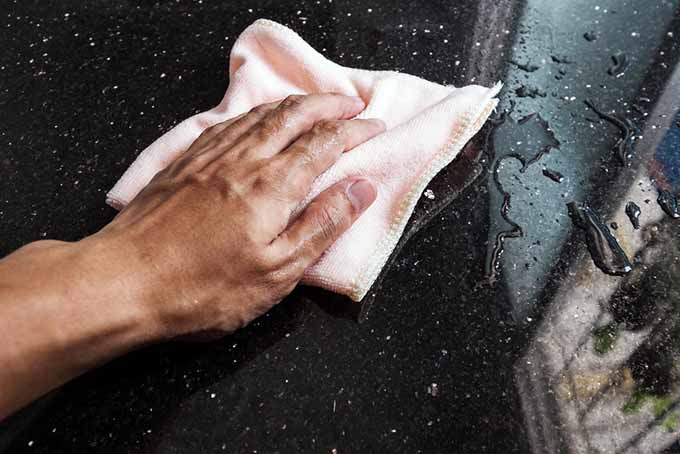
ראשית, חשוב לשמור על ניקיון הפלטה. אבק שוחק הנישא באוויר הוא בדרך כלל המקור הגדול ביותר לבלאי של הפלטה, מכיוון שהוא נוטה להיטמע בחלקי העבודה ובמשטחי המגע של המדידה. שנית, כסו את הפלטה כדי להגן עליה מפני אבק ונזק. ניתן להאריך את חיי הבלאי על ידי כיסוי הפלטה כאשר אינה בשימוש, על ידי סיבוב הפלטה מעת לעת כך שאזור אחד לא יקבל שימוש יתר, ועל ידי החלפת רפידות מגע מפלדה על המדידה ברפידות קרביד. כמו כן, הימנעו מהנחת מזון או משקאות קלים על הפלטה. שימו לב שמשקאות קלים רבים מכילים חומצה פחמתית או זרחתית, אשר עלולה להמיס את המינרלים הרכים יותר ולהשאיר גושים קטנים על פני השטח.
זה תלוי באופן השימוש בצלחת. במידת האפשר, אנו ממליצים לנקות את הצלחת בתחילת היום (או משמרת העבודה) ושוב בסופו. אם הצלחת מתלכלכת, במיוחד מנוזלים שמנוניים או דביקים, כנראה שיש לנקות אותה מיד.
יש לנקות את הצלחת באופן קבוע עם נוזל ניקוי או נוזל ניקוי ללא מים של ZHHIMG. בחירת תמיסות הניקוי חשובה. אם משתמשים בממס נדיף (אצטון, מדלל לכה, אלכוהול וכו'), האידוי יקרר את פני השטח ויעוות אותו. במקרה זה, יש לאפשר להצלחת להתאושש לפני השימוש בה, אחרת יתרחשו שגיאות מדידה.
משך הזמן הנדרש להצלחת להתנרמל ישתנה בהתאם לגודל הצלחת ולכמות הקירור. שעה אמורה להספיק לצלחות קטנות יותר. ייתכן שיידרשו שעתיים לצלחות גדולות יותר. אם משתמשים בחומר ניקוי על בסיס מים, יהיה גם קירור אידוי מסוים.
הפלטה גם תשמור על המים, וזה עלול לגרום לחלודה של חלקי מתכת הבאים במגע עם המשטח. חלק מחומרי הניקוי ישאירו גם שאריות דביקות לאחר ייבושם, מה שימשוך אבק הנישא באוויר, ולמעשה יגביר את הבלאי, במקום להקטין אותו.
הדבר תלוי בשימוש בפלטה ובסביבה. אנו ממליצים כי פלטה חדשה או אביזר גרניט מדויק יעברו כיול מחדש מלא תוך שנה ממועד הרכישה. אם פלטת פני השטח של הגרניט תיעשה שימוש אינטנסיבי, מומלץ לקצר מרווח זמן זה לשישה חודשים. בדיקה חודשית לאיתור שגיאות מדידה חוזרות באמצעות פלס אלקטרוני או מכשיר דומה תראה כל כתמי שחיקה מתפתחים ותתבצע תוך מספר דקות בלבד. לאחר קביעת תוצאות הכיול מחדש הראשון, ניתן להאריך או לקצר את מרווח הכיול כפי שמותר או נדרש על ידי מערכת האיכות הפנימית שלכם.
אנו יכולים להציע שירות שיעזור לך לבדוק ולכייל את משטח הגרניט שלך.

ישנן מספר סיבות אפשריות לשונות בין כיולים:
- המשטח נשטף בתמיסה חמה או קרה לפני הכיול, ולא ניתן לו מספיק זמן להתנרמל.
- הפלטה נתמכת בצורה לא נכונה
- שינוי טמפרטורה
- דַמקָה
- אור שמש ישיר או קרינת חום אחרת על פני השטח של הפלטה. ודאו שתאורת התקרה אינה מחממת את פני השטח.
- שינויים בגרדיאנט הטמפרטורה האנכי בין חורף לקיץ (אם אפשר, דעו את טמפרטורת הגרדיאנט האנכי בזמן ביצוע הכיול).
- לא ניתן מספיק זמן לצלחת להתנרמל לאחר המשלוח
- שימוש לא נכון בציוד בדיקה או שימוש בציוד שאינו מכויל
- שינוי פני השטח כתוצאה מבלאי
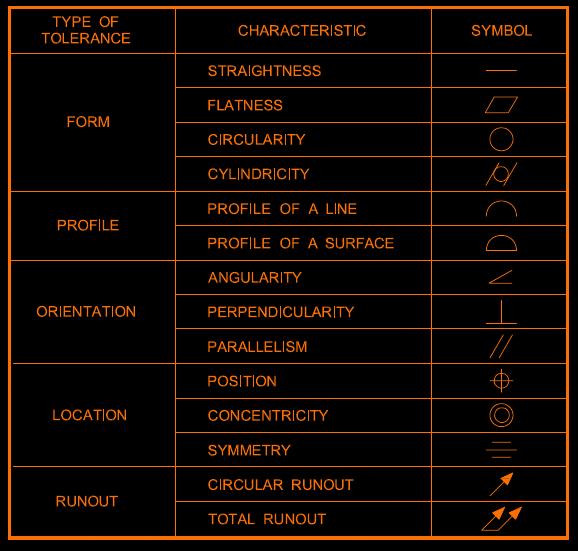
כמה סוגי חורים יש על גרניט מדויק?
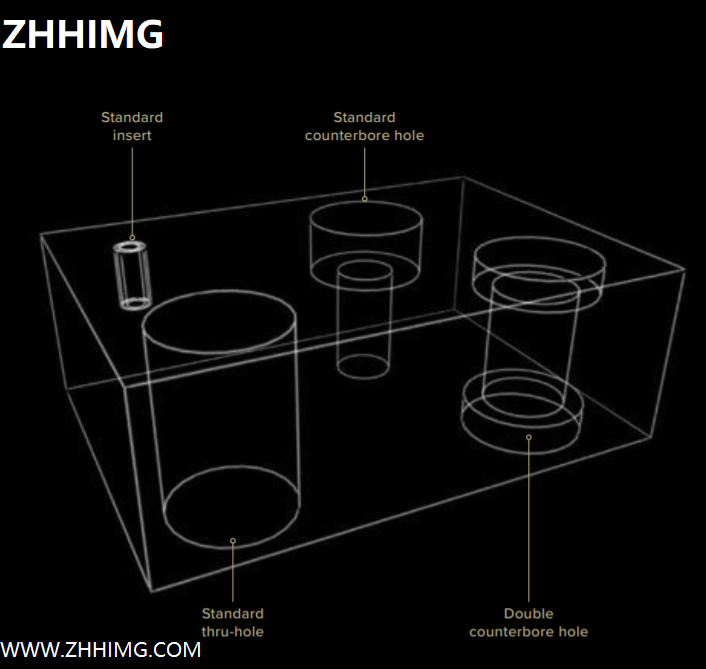
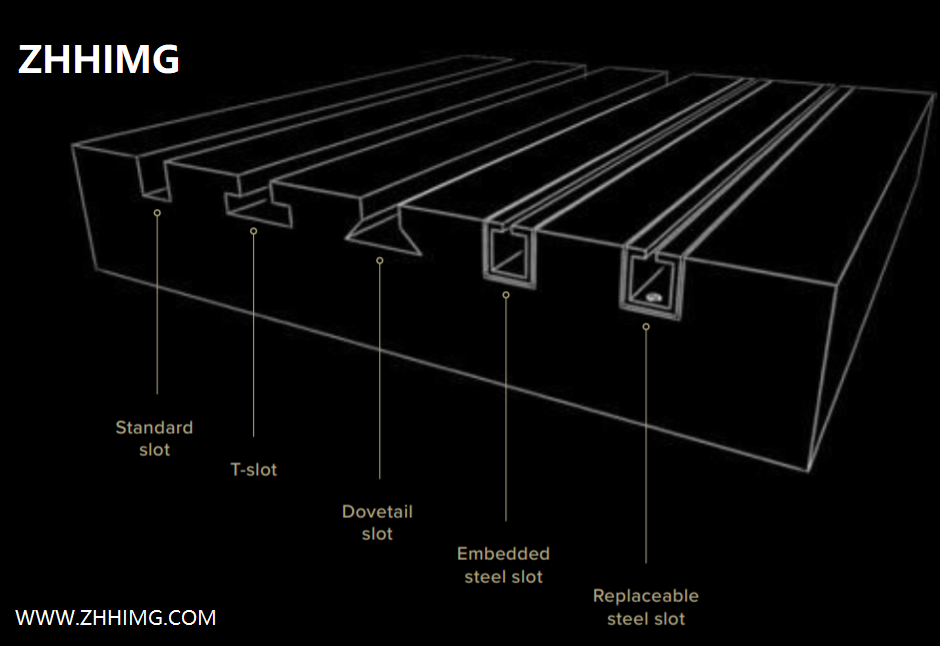
חריצים על רכיבי גרניט מדויקים
עבור מפעלים, חדרי בדיקה ומעבדות רבים, לוחות גרניט מדויקים משמשים בסיס למדידה מדויקת. מכיוון שכל מדידה ליניארית תלויה במשטח ייחוס מדויק שממנו נלקחות המידות הסופיות, לוחות המשטח מספקים את מישור הייחוס הטוב ביותר לבדיקת עבודה ופריסה לפני עיבוד שבבי. הם גם בסיסים אידיאליים לביצוע מדידות גובה ומדידת משטחים. יתר על כן, רמה גבוהה של שטוחות, יציבות, איכות כוללת וביצוע הופכים אותם לבחירה טובה להרכבת מערכות מדידה מכניות, אלקטרוניות ואופטיות מתוחכמות. עבור כל אחד מתהליכי המדידה הללו, חיוני לשמור על לוחות המשטח מכוילים.
מדידות חוזרות ושטיחות
גם שטוחות וגם מדידות חוזרות הן קריטיות להבטחת משטח מדויק. ניתן להתייחס לשטיחות כאל כל הנקודות על פני השטח הנמצאות בתוך שני מישורים מקבילים, מישור הבסיס ומישור הגג. מדידת המרחק בין המישורים היא השטיחות הכוללת של פני השטח. מדידת שטוחות זו בדרך כלל נושאת סבולת ועשויה לכלול ייעוד דרגה.
סבולות השטיחות עבור שלוש דרגות סטנדרטיות מוגדרות במפרט הפדרלי כפי שנקבע על ידי הנוסחה הבאה:
תקן DIN, תקן GB, תקן ASME, תקן JJS... מדינה שונה עם סטנדים שונים...
בנוסף לשטיחות, יש להבטיח חזרתיות. מדידה חוזרת היא מדידה של אזורי שטוחות מקומיים. זוהי מדידה הנלקחת בכל מקום על פני השטח של פלטה שתחזור על עצמה במסגרת הסבילות שצוינה. שליטה על השטיחות באזור המקומי לסבילות צמודה יותר מהשטיחות הכוללת מבטיחה שינוי הדרגתי בפרופיל השטיחות של פני השטח, ובכך ממזערת שגיאות מקומיות.
כדי להבטיח שפלטה עומדת הן במפרטי השטיחות והן במפרטי המדידה החוזרת ונשנית, יצרני לוחות גרניט צריכים להשתמש במפרט הפדרלי GGG-P-463c כבסיס למפרטים שלהם. תקן זה עוסק בדיוק מדידה חוזרת, תכונות החומר של לוח גרניט, גימור פני השטח, מיקום נקודת התמיכה, קשיחות, שיטות בדיקה מקובלות והתקנה של תוספות הברגה.
בדיקת דיוק הלוח
על ידי ביצוע מספר הנחיות פשוטות, השקעה בלוח משטח גרניט אמורה להחזיק מעמד שנים רבות. בהתאם לשימוש בלוח, סביבת הסדנה והדיוק הנדרש, תדירות בדיקת דיוק לוח המשטח משתנה. כלל אצבע כללי הוא שלוח חדש יעבור כיול מחדש מלא תוך שנה ממועד הרכישה. אם הלוח נמצא בשימוש תכוף, מומלץ לקצר מרווח זמן זה לשישה חודשים.
לפני שצלחת פני השטח נשחקה מעבר למפרט של שטוחות כללית, היא תראה עמודים שחוקים או גליים. בדיקה חודשית לאיתור שגיאות מדידה חוזרות באמצעות מד קריאה חוזר תזהה נקודות שחיקה. מד קריאה חוזרת הוא מכשיר מדויק ביותר המזהה שגיאה מקומית וניתן להציגו על גבי מגבר אלקטרוני בהגדלה גבוהה.
תוכנית בדיקה יעילה צריכה לכלול בדיקות סדירות באמצעות אוטוקולימטור, המספק כיול בפועל של השטיחות הכוללת, הניתן לייחס למכון הלאומי לתקנים וטכנולוגיה (NIST). כיול מקיף על ידי היצרן או חברה עצמאית נחוץ מעת לעת.
וריאציות בין כיולים
במקרים מסוימים, ישנם הבדלים בין כיולים של לוחות פני השטח. לעיתים גורמים כגון שינוי פני השטח כתוצאה מבלאי, שימוש שגוי בציוד בדיקה או שימוש בציוד לא מכויל יכולים להסביר את הבדלים אלה. עם זאת, שני הגורמים הנפוצים ביותר הם טמפרטורה ותמיכה.
אחד המשתנים החשובים ביותר הוא הטמפרטורה. לדוגמה, ייתכן שהמשטח נשטף בתמיסה חמה או קרה לפני הכיול ולא ניתן לו מספיק זמן להתייצב. סיבות נוספות לשינוי טמפרטורה כוללות משבי אוויר קר או חם, אור שמש ישיר, תאורת תקרה או מקורות חום קורנים אחרים על פני השטח של הפלטה.
כמו כן, ייתכנו שינויים במפל הטמפרטורה האנכי בין חורף לקיץ. במקרים מסוימים, לפלטה לא ניתנת מספיק זמן להתנרמל לאחר המשלוח. מומלץ לתעד את טמפרטורת המפל האנכי בזמן ביצוע הכיול.
סיבה נפוצה נוספת לשונות בכיול היא פלטה שאינה נתמכת כראוי. יש לתמוך בפלטה משטחית בשלוש נקודות, באופן אידיאלי במרחק של 20% מהאורך מקצות הפלטה. שני תומכים צריכים להיות ממוקמים במרחק של 20% מהרוחב מהצדדים הארוכים, והתמיכה הנותרת צריכה להיות ממורכזת.
רק שלוש נקודות יכולות להישען באופן יציב על כל דבר מלבד משטח מדויק. ניסיון לתמוך בפלטה ביותר משלוש נקודות יגרום לפלטה לקבל את תמיכתה משילובים שונים של שלוש נקודות, שלא יהיו אותן שלוש נקודות עליהן היא נתמכה במהלך הייצור. דבר זה יגרום לשגיאות כאשר הפלטה תסטה כדי להתאים לסידור התמיכה החדש. שקלו להשתמש במעמדי פלדה עם קורות תמיכה שנועדו ליישר קו עם נקודות התמיכה המתאימות. מעמדים למטרה זו זמינים בדרך כלל מיצרן פלטת המשטח.
אם הפלטה נתמכת כראוי, יישור מדויק נחוץ רק אם יישום מציין זאת. יישור אינו הכרחי כדי לשמור על דיוק של פלטה נתמכת כראוי.
הארכת חיי הלוח
ביצוע מספר הנחיות יפחית את הבלאי על משטח הגרניט ובסופו של דבר, יאריך את חייו.
ראשית, חשוב לשמור על ניקיון הפלטה. אבק שוחק הנישא באוויר הוא בדרך כלל המקור הגדול ביותר לבלאי ולשחיקה של הפלטה, מכיוון שהוא נוטה להיקרש בחלקי העבודה ובמשטחי המגע של המדידה.
חשוב גם לכסות את הצלחות כדי להגן עליהן מפני אבק ונזקים. ניתן להאריך את חיי הבלאי על ידי כיסוי הצלחת כאשר אינה בשימוש.
סובבו את הפלטה מעת לעת כדי שאזור בודד לא יקבל שימוש יתר. כמו כן, מומלץ להחליף רפידות מגע מפלדה על גבי מדידה ברפידות קרביד.
הימנעו מהנחת אוכל או משקאות קלים על הצלחת. משקאות קלים רבים מכילים חומצה פחמתית או חומצה זרחתית, אשר עלולה להמיס את המינרלים הרכים יותר ולהשאיר גושים קטנים על פני השטח.
איפה לחזור לעצמך
כאשר יש צורך בחיפוי מחדש של משטח גרניט, יש לשקול האם לבצע שירות זה באתר או במתקן הכיול. תמיד עדיף להחליף את הפלטה במפעל או במתקן ייעודי. עם זאת, אם הפלטה אינה שחוקה מדי, בדרך כלל בטווח של 0.001 אינץ' מהסבילות הנדרשת, ניתן לחדש אותה באתר. אם הפלטה שחוקה עד כדי כך שהיא חורגת ביותר מ-0.001 אינץ' מהסבילות, או אם היא חקוקה או מחוררת קשות, יש לשלוח אותה למפעל לטחינה לפני החיפוי מחדש.
מתקן כיול מצויד בציוד ובהגדרות היצרן המספקים את התנאים האופטימליים לכיול נכון של הפלטות ולעיבוד חוזר במידת הצורך.
יש לנקוט משנה זהירות בבחירת טכנאי כיול וחידוש ציפויים באתר. יש לבקש הסמכה ולוודא שהציוד שהטכנאי ישתמש בו בעל כיול ניתן למעקב. ניסיון הוא גם גורם חשוב, שכן לוקח שנים רבות ללמוד כיצד לחפות גרניט מדויק בצורה נכונה.
מדידות קריטיות מתחילות עם לוח משטח גרניט מדויק כבסיס. על ידי הבטחת ייחוס אמין באמצעות לוח משטח מכויל כראוי, ליצרנים יש את אחד הכלים החיוניים למדידות אמינות ולחלקים באיכות טובה יותר.Q
רשימת בדיקה עבור וריאציות כיול
1. המשטח נשטף בתמיסה חמה או קרה לפני הכיול ולא ניתן לו מספיק זמן להתנרמל.
2. הצלחת נתמכת בצורה לא נכונה.
3. שינוי טמפרטורה.
4. טיוטות.
5. אור שמש ישיר או קרינת חום אחרת על פני השטח של הפלטה. ודאו שתאורת התקרה אינה מחממת את פני השטח.
6. שינויים בגרדיאנט הטמפרטורה האנכי בין חורף לקיץ. אם אפשר, יש לדעת את טמפרטורת הגרדיאנט האנכי בזמן ביצוע הכיול.
7. לא ניתן ללוחית מספיק זמן להתנרמל לאחר המשלוח.
8. שימוש לא נכון בציוד בדיקה או שימוש בציוד שאינו מכויל.
9. שינוי פני השטח כתוצאה מבלאי.
טיפים טכניים
- מכיוון שכל מדידה ליניארית תלויה במשטח ייחוס מדויק שממנו נלקחות המידות הסופיות, לוחות פני השטח מספקים את מישור הייחוס הטוב ביותר לבדיקת עבודה ופריסה לפני עיבוד שבבי.
- שליטה על השטיחות המקומית לסבולת צמודה יותר מאשר השטיחות הכוללת מבטיחה שינוי הדרגתי בפרופיל השטיחות של פני השטח, ובכך ממזערת שגיאות מקומיות.
- תוכנית בדיקה יעילה צריכה לכלול בדיקות סדירות באמצעות אוטוקולימטור, המספקות כיול בפועל של השטיחות הכוללת הניתנת לידי עקיבה לרשות הפיקוח הלאומית.
מבין חלקיקי המינרלים המרכיבים את הגרניט, יותר מ-90% הם פלדספאר וקוורץ, כאשר פלדספאר הוא המרכיב העיקרי. פלדספאר הוא לרוב לבן, אפור ואדום-בשר, והקוורץ לרוב חסר צבע או לבן-אפרפר, המהווים את צבעו הבסיסי של הגרניט. פלדספאר וקוורץ הם מינרלים קשים, וקשה להזיז אותם בעזרת סכין פלדה. באשר לכתמים הכהים בגרניט, בעיקר נציץ שחור, ישנם גם כמה מינרלים נוספים. למרות שביוטיט הוא רך יחסית, יכולתו לעמוד בלחץ אינה חלשה, ובמקביל יש כמות קטנה שלהם בגרניט, לרוב פחות מ-10%. זהו מצב החומר שבו הגרניט חזק במיוחד.
סיבה נוספת לחוזק הגרניט היא שחלקיקי המינרלים שלו קשורים זה לזה בחוזקה ומוטמעים זה בזה. הנקבוביות מהוות לעיתים קרובות פחות מ-1% מהנפח הכולל של הסלע. זה נותן לגרניט את היכולת לעמוד בלחצים חזקים ואינו חודר בקלות על ידי לחות.
רכיבי גרניט עשויים מאבן ללא עמידות בפני חלודה, חומצה ובסיס, עמידות טובה בפני שחיקה וחיי שירות ארוכים, ללא תחזוקה מיוחדת. רכיבי גרניט מדויקים משמשים בעיקר בייצור כלים בתעשיית המכונות. לכן, הם נקראים רכיבי גרניט מדויקים או רכיבי גרניט. המאפיינים של רכיבי גרניט מדויקים זהים בעיקרם לאלה של פלטפורמות גרניט. מבוא לכלי עבודה ומדידת רכיבי גרניט מדויקים: עיבוד שבבי מדויק וטכנולוגיית מיקרו-עיבוד שבבי הם כיווני פיתוח חשובים של תעשיית ייצור המכונות, והם הפכו למדד חשוב למדידת רמת טכנולוגיה גבוהה. פיתוח טכנולוגיות מתקדמות ותעשיית הביטחון הוא בלתי נפרד מעיבוד שבבי מדויק וטכנולוגיית מיקרו-עיבוד שבבי. ניתן להחליק בצורה חלקה את רכיבי הגרניט במדידה, ללא קיפאון. מדידת משטח עבודה ושריטות כלליות אינן משפיעות על דיוק המדידה. יש לתכנן וליצור רכיבי גרניט בהתאם לדרישות צד הביקוש.
שדה יישום:
כפי שכולנו יודעים, יותר ויותר מכונות וציוד בוחרים ברכיבי גרניט מדויקים.
רכיבי גרניט משמשים לתנועה דינמית, מנועים ליניאריים, CMM, CNC, מכונות לייזר...
מוזמנים ליצור איתנו קשר לקבלת מידע נוסף.
מכשירי מדידה ורכיבים מכניים של גרניט עשויים מגרניט שחור ג'ינאן איכותי. בשל דיוקם הגבוה, עמידותם לאורך זמן, יציבותם הטובה ועמידותם בפני קורוזיה, הם נמצאים בשימוש גובר בבדיקת מוצרים בתעשייה המודרנית ובתחומים מדעיים כמו מכני, אווירונאוטיקה ומחקרים מדעיים.
יתרונות
קשה פי שניים מברזל יצוק;
שינויים מינימליים במידות נובעים משינויי טמפרטורה;
---- ללא סחיטה, כך שאין הפרעה לעבודה;
----ללא קוצים או בליטות בגלל מבנה גרגירים עדין ודביקות לא משמעותית, מה שמבטיח רמה גבוהה של שטוחות לאורך חיי שירות ארוכים ואינו גורם נזק לחלקים או מכשירים אחרים;
---- פעולה ללא בעיות לשימוש עם חומרים מגנטיים;
----אורך חיים ארוך וללא חלודה, וכתוצאה מכך עלויות תחזוקה נמוכות.
לוחות הגרניט המדויקים עוברים ליטופים מדויקים בסטנדרט גבוה של שטוחות על מנת להשיג דיוק ומשמשים כבסיס להרכבת מערכות מדידה מכניות, אלקטרוניות ואופטיות מתוחכמות.
כמה מהמאפיינים הייחודיים של משטח הגרניט:
אחידות בקשיות;
מדויק תחת תנאי עומס;
סופג רעידות;
קל לניקוי;
עמיד בפני עטיפה;
נקבוביות נמוכה;
לא שוחק;
לא מגנטי
יתרונות של משטח גרניט
ראשית, לאחר תקופה ארוכה של הזדקנות טבעית, הסלע מקבל מבנה אחיד, מקדם מינימלי ולחץ פנימי נעלם לחלוטין, אינו מתעוות, ולכן הדיוק גבוה.
שנית, לא יהיו שריטות, לא בתנאי טמפרטורה קבועים, בטמפרטורת החדר ניתן גם לשמור על דיוק מדידת הטמפרטורה.
שלישית, לא מגנטיזציה, מדידה יכולה להיות תנועה חלקה, ללא תחושת חריקה, לא מושפע מלחות, המטוס קבוע.
ארבע, הנוקשות טובה, הקשיות גבוהה, עמידות השחיקה חזקה.
חמש, לא מפחד משחיקה של חומצה ובסיס, לא מחליד, לא צריך לשמן צבע, לא קל להדביק מיקרו-אבק, תחזוקה קלה, קלה לתחזוקה, חיי שירות ארוכים.
למה לבחור בסיס גרניט במקום משטח מכונה מברזל יצוק?
1. בסיס מכונת גרניט יכול לשמור על דיוק גבוה יותר מאשר בסיס מכונת ברזל יצוק. בסיס מכונת ברזל יצוק מושפע בקלות מטמפרטורה ולחות אך בסיס מכונת גרניט לא.
2. עם אותו גודל של בסיס מכונת גרניט ובסיס ברזל יצוק, בסיס מכונת הגרניט חסכוני יותר מברזל יצוק;
3. בסיס מכונה מיוחד גרניט קל יותר לגימור מאשר בסיס מכונה מברזל יצוק.
לוחות משטח גרניט הם מכשירים מרכזיים במעבדות בדיקה ברחבי הארץ. המשטח המכויל והשטוח ביותר של לוח משטח מאפשר לפקחים להשתמש בהם כבסיס לבדיקות חלקים וכיול מכשירים. ללא היציבות שמספקות לוחות משטח, רבים מהחלקים בעלי סבילות צמודה בתחומים טכנולוגיים ורפואיים שונים יהיו קשים הרבה יותר, אם לא בלתי אפשריים, לייצור נכון. כמובן, כדי להשתמש בבלוק משטח גרניט לכיול ובדיקה של חומרים וכלים אחרים, יש להעריך את דיוק הגרניט עצמו. משתמשים יכולים לכייל לוח משטח גרניט כדי להבטיח את דיוקו.
נקו את משטח הגרניט לפני הכיול. שפכו כמות קטנה של חומר ניקוי למשטח הגרניט על מטלית נקייה ורכה ונגבו את פני השטח של הגרניט. יבשו מיד את חומר הניקוי ממשטח הגרניט בעזרת מטלית יבשה. אין לאפשר לנוזל הניקוי להתייבש באוויר.
הנח מד מדידה חוזר על מרכז משטח הגרניט.
אפס את מד המדידה החוזר אל פני השטח של לוח הגרניט.
הזיזו את המד באיטיות על פני השטח של הגרניט. שימו לב למחוון המד ורשום את שיאי הגובה של כל שינוי גובה בעת הזזת המכשיר על פני הלוח.
השווה את וריאציית השטיחות על פני השטח של הפלטה עם הסבולות של פלטת המשטח שלך, המשתנות בהתאם לגודל הפלטה ולדרגת השטיחות של הגרניט. עיין במפרט הפדרלי GGG-P-463c (ראה משאבים) כדי לקבוע אם הפלטה שלך עומדת בדרישות השטיחות לגודלה ולדרגתה. השונות בין הנקודה הגבוהה ביותר בפלטה לנקודה הנמוכה ביותר בפלטה היא מדידת השטיחות שלה.
בדוק שהשינויים הגדולים ביותר בעומק על פני השטח של הפלטה עונים על דרישות החזרתיות עבור פלטה בגודל ובדרגה אלה. עיין במפרט הפדרלי GGG-P-463c (ראה משאבים) כדי לקבוע אם הפלטה שלך עומדת בדרישות החזרתיות לגודלה. דחה את פלטת השטח אם אפילו נקודה אחת נכשלת בדרישות החזרתיות.
הפסק להשתמש בלוח גרניט שאינו עומד בדרישות הפדרליות. החזר את הלוח ליצרן או לחברת ציפוי גרניט כדי ללטש מחדש את הבלוק כך שיעמוד במפרטים.
עֵצָה
בצעו כיולים רשמיים לפחות פעם בשנה, אם כי יש לכייל לוחות גרניט הנמצאים בשימוש אינטנסיבי בתדירות גבוהה יותר.
כיול רשמי וניתן לרישום בסביבות ייצור או בדיקה מתבצע לרוב על ידי ספק שירותי אבטחת איכות או ספק שירותי כיול חיצוני, אם כי כל אחד יכול להשתמש במד מדידה חוזר כדי לבדוק באופן לא רשמי לוחית פני השטח לפני השימוש.
ההיסטוריה המוקדמת של לוחות משטח גרניט
לפני מלחמת העולם השנייה, יצרנים השתמשו בלוחות פלדה לבדיקת מימדים של חלקים. במהלך מלחמת העולם השנייה הצורך בפלדה גדל באופן דרמטי, ולוחות פלדה רבים הותכו. היה צורך בחלופה, וגרניט הפך לחומר המועדף בגלל תכונותיו המטרולוגיות המעולות.
מספר יתרונות של גרניט על פני פלדה התבררו. גרניט קשה יותר, אם כי שביר יותר ונוטה להתקלף. ניתן לעבד גרניט לשטיחות רבה יותר ובמהירות רבה יותר מפלדה. לגרניט יש גם את התכונה הרצויה של התפשטות תרמית נמוכה יותר בהשוואה לפלדה. יתר על כן, אם לוח פלדה היה זקוק לתיקון, היה עליו לגרד אותו ידנית על ידי אומנים שהשתמשו גם בכישוריהם בשיפוץ כלי עבודה.
כתוספת, חלק מלוחות הפלדה עדיין בשימוש כיום.
תכונות מטרולוגיות של לוחות גרניט
גרניט הוא סלע מגמטי שנוצר מהתפרצויות געשיות. לשם השוואה, שיש הוא אבן גיר שעברה מטמורפוזה. לשימוש מטרולוגי, הגרניט הנבחר צריך לעמוד בדרישות ספציפיות המפורטות במפרט הפדרלי GGG-P-463c, שמעתה והלאה נקרא מפרטי פד, ובאופן ספציפי, חלק 3.1 3.1 מבין מפרטי הפד, גרניט צריך להיות בעל מרקם גרגירים עדין עד בינוני.
גרניט הוא חומר קשה, אך קשיותו משתנה מכמה סיבות. טכנאי לוחות גרניט מנוסה יכול להעריך את קשיותו לפי צבעו, המהווה אינדיקציה לתכולת הקוורץ בו. קשיות הגרניט היא תכונה המוגדרת בין היתר על ידי כמות תכולת הקוורץ וחוסר נציץ. הגרניטים האדומים והוורודים נוטים להיות הקשים ביותר, האפורים הם בעלי קשיות בינונית, והשחורים הם הרכים ביותר.
מודול האלסטיות של יאנג משמש לביטוי הגמישות או אינדיקציה לקשיות האבן. גרניט ורוד מקבל ממוצע של 3-5 נקודות בסולם, אפור 5-7 נקודות ושחור 7-10 נקודות. ככל שהמספר קטן יותר, כך הגרניט נוטה להיות קשה יותר. ככל שהמספר גדול יותר, הגרניט רך וגמיש יותר. חשוב לדעת את קשיות הגרניט בעת בחירת העובי הנדרש עבור דירוגי סובלנות ומשקל החלקים והמדידות המונחים עליו.
בימים עברו, כשהיו מכונאים אמיתיים, הידועים בזכות חוברות טבלאות הטריגונאטוריה שהיו בכיסי חולצתם, גרניט שחור נחשב ל"טוב ביותר". הטוב ביותר הוגדר כסוג שנותן את העמידות הרבה ביותר בפני שחיקה או שהוא קשה יותר. חיסרון אחד הוא שגרניט קשה יותר נוטה להיסדק או להישבר בקלות רבה יותר. מכונאים היו כל כך משוכנעים שגרניט שחור הוא הטוב ביותר, עד שכמה יצרנים של גרניט ורוד צבעו אותו בשחור.
ראיתי באופן אישי פלטה שנפלה ממלגזה בעת שהועברה מהאחסון. הפלטה פגעה ברצפה ונסדקה לשניים וחשפה את הצבע הוורוד האמיתי. יש לנקוט משנה זהירות אם מתכננים לרכוש גרניט שחור מסין. אנו ממליצים לבזבז את כספכם בדרכים אחרות. פלטת גרניט יכולה להשתנות בקשיותה. פס של קוורץ יכול להיות קשה הרבה יותר משאר פלטת השטח. שכבה של גברו שחור יכולה להפוך אזור לרך הרבה יותר. טכנאי תיקון פלטות שטח מיומן ומנוסה יודע כיצד לטפל באזורים רכים אלה.
ציוני לוחות פני השטח
ישנן ארבע דרגות של לוחות משטח. דרגות מעבדה AA ו-A, דרגות בדיקה בחדר B, והרביעית היא דרגת סדנה. דרגות AA ו-A הן השטוחות ביותר עם סבילות שטוחות של יותר מ-0.00001 אינץ' עבור לוח דרגה AA. דרגות סדנה הן הפחות שטוחות וכפי שהשם מרמז, הן מיועדות לשימוש בחדרי כלים. בעוד שדרגות AA, דרגות A ו-B מיועדות לשימוש במעבדות בדיקה או בקרת איכות.
Pבדיקת רופר לכיול לוחות פני השטח
תמיד אמרתי ללקוחות שלי שאני יכול להוציא כל ילד בן 10 מהכנסייה שלי וללמד אותם תוך כמה ימים איך לבדוק צלחת. זה לא קשה. זה דורש טכניקה מסוימת כדי לבצע את המשימה במהירות, טכניקות שלומדים עם הזמן וחזרה רבה. אני צריך להודיע לכם, ואני לא יכול להדגיש מספיק, ש-Fed Spec GGG-P-463c אינו הליך כיול! עוד על כך בהמשך.
כיול של בדיקות השטיחות הכוללת (Mean Pane) ובדיקות חזרתיות (בלאי מקומי) הוא חובה על פי מפרט הפד. היוצא מן הכלל היחיד לכך הוא עם לוחות קטנים שבהם נדרשת חזרתיות בלבד.
כמו כן, וקריטי בדיוק כמו הבדיקות האחרות, הוא מבחן גרדיאנטים תרמיים. (ראה דלתא T להלן)
איור 1
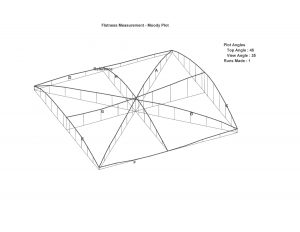
לבדיקת שטוחות יש 4 שיטות מאושרות. פלסים אלקטרוניים, אוטוקולימציה, לייזר ומכשיר המכונה מאתר מישור. אנו משתמשים בפלסים אלקטרוניים רק משום שהם השיטה המדויקת והמהירה ביותר מכמה סיבות.
לייזרים ואוטוקולימטורים משתמשים בקרן אור ישרה מאוד כנקודת ייחוס. מדידת ישרות של משטח גרניט מבוצעת על ידי השוואת השונות במרחק בין משטח הגרניט לקרן האור. על ידי לקיחת קרן אור ישרה, הפגיעתה במטרה מחזירת אור תוך כדי הזזת מטרת המחזירת אור לאורך משטח הגרניט, המרחק בין הקרן הנפלטת לקרן החוזרת הוא מדידת ישרות.
הנה הבעיה עם שיטה זו. המטרה והמקור מושפעים מרעידות, טמפרטורת הסביבה, מטרה שאינה שטוחה או שרוטה, זיהום באוויר ותנועת אוויר (זרמים). כל אלה תורמים למרכיבים נוספים של שגיאה. יתר על כן, התרומה של שגיאות המפעיל מבדיקות עם אוטוקולימטור גדולה יותר.
משתמש אוטוקולימטור מנוסה יכול לבצע מדידות מדויקות מאוד, אך עדיין נתקל בבעיות בעקביות הקריאות, במיוחד למרחקים ארוכים יותר, מכיוון שההשתקפויות נוטות להתרחב או להתעמק מעט. כמו כן, מטרה לא שטוחה לחלוטין ויום ארוך של התבוננות דרך העדשה מייצרים שגיאות נוספות.
מכשיר לאיתור מישורים הוא פשוט טיפשי. מכשיר זה משתמש בקרן אור ישרה יחסית (בהשוואה לקרן אור קולימטיבית או לייזר ישרה במיוחד) כנקודת ייחוס. לא רק שהמכשיר המכני משתמש במחוון שבדרך כלל ברזולוציה של 20 אינץ' בלבד, אלא שחוסר הישרות של המוט והחומרים השונים מוסיפים משמעותית לשגיאות במדידה. לדעתנו, למרות שהשיטה מקובלת, אף מעבדה מוסמכת לעולם לא תשתמש במכשיר לאיתור מישורים ככלי בדיקה סופית.
פלסים אלקטרוניים משתמשים בכוח המשיכה כנקודת ייחוס. פלסים אלקטרוניים דיפרנציאלים אינם מושפעים מרעידות. יש להם רזולוציה נמוכה של 0.1 קשת שנייה והמדידות מהירות, מדויקות ויש תרומה מועטה מאוד של שגיאה מצד מפעיל מנוסה. לא מאתר מישורים ולא אוטוקולימטורים מספקים גרפים טופוגרפיים (איור 1) או איזומטריים (איור 2) של פני השטח שנוצרו על ידי מחשב.
איור 2
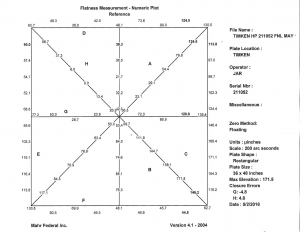
בדיקת שטוחות פני השטח הנכונה
בדיקת יישור פני השטח נכונה היא חלק כה חשוב במאמר זה, עד כי הייתי צריך למקם אותה בתחילתה. כפי שצוין קודם לכן, מפרט Fed. GGG-p-463c אינו שיטת כיול. הוא משמש כמדריך להיבטים רבים של גרניט בדרגה מטרולוגית, שהרוכש המיועד שלו הוא כל סוכנות ממשלתית פדרלית, וזה כולל את שיטות הבדיקה והסבולות או הדירוגים. אם קבלן טוען שדבק במפרט Fed, אזי ערך היישור ייקבע לפי שיטת מודי.
מודי היה בחור משנות ה-50 שפיתח שיטה מתמטית לקביעת השטיחות הכוללת ולהתחשב בכיוון הקווים שנבדקו, האם הם קרובים מספיק באותו מישור. דבר לא השתנה. חברת Allied Signal ניסתה לשפר את השיטה המתמטית אך הגיעה למסקנה שההבדלים היו כה קטנים עד שלא היה שווה את המאמץ.
אם קבלן ציפוי משטחי משתמש בפלסים אלקטרוניים או בלייזר, הוא משתמש במחשב כדי לסייע לו בחישובים. ללא סיוע מחשב, הטכנאי, המשתמש באוטוקולימציה, חייב לחשב את הקריאות באופן ידני. במציאות, הם לא עושים זאת. זה לוקח יותר מדי זמן ולמען האמת, עלול להיות מאתגר מדי. בבדיקת שטוחות המשתמשת בשיטת מודי, הטכנאי בודק שמונה קווים בתצורת יוניון ג'ק לצורך ישרות.
שיטת מודי
שיטת מודי היא דרך מתמטית לקבוע אם שמונת הקווים נמצאים על אותו מישור. אחרת, יש לך רק 8 קווים ישרים שעשויים להיות על אותו מישור או בסמוך לו. יתר על כן, קבלן הטוען שהוא עומד בדרישות התקן הפד ומשתמש באוטוקולימציה, הוא...חוֹבָהלייצר שמונה עמודי נתונים. עמוד אחד עבור כל קו שנבדק כדי להוכיח את הבדיקות, התיקון או שניהם. אחרת, לקבלן אין מושג מהו ערך השטיחות האמיתי.
אני בטוח שאם אתם מאלה שמכיילים את הלוחיות שלכם על ידי קבלן באמצעות אוטוקולימציה, מעולם לא ראיתם את הדפים האלה! איור 3 הוא דוגמה שלרק אחדעמוד של שמונה נחוץ לחישוב השטיחות הכוללת. אינדיקציה אחת לבורות ולרשעות זו היא אם הדוח שלך מכיל מספרים מעוגלים ויפים. לדוגמה, 200, 400, 650 וכו'. ערך מחושב כראוי הוא מספר ממשי. לדוגמה 325.4 u In. כאשר הקבלן משתמש בשיטת מודי לחישובים, והטכנאי מחשב את הערכים באופן ידני, אתה אמור לקבל שמונה עמודים של חישובים וגרף איזומטרי. הגרף האיזומטרי מציג את הגבהים המשתנים לאורך הקווים השונים וכמה מרחק מפריד בין נקודות החיתוך שנבחרו.
איור 3(נדרשות שמונה עמודים כאלה כדי לחשב את השטיחות באופן ידני. הקפידו לשאול מדוע אינכם מקבלים את זה אם הקבלן שלכם משתמש באוטוקולימציה!)
איור 4
טכנאי מדידות ממדיות משתמשים בפלסים דיפרנציאליים (איור 4) כמכשירים מועדפים למדידת השינויים הזעירים בזוויתיות מתחנת מדידה לתחנה. לפלסים יש רזולוציה של עד 0.1 שניות קשת (5 אינץ' באמצעות מזחלת 4 אינץ'), הם יציבים ביותר, אינם מושפעים מרעידות, מרחקים נמדדים, זרמי אוויר, עייפות המפעיל, זיהום אוויר או כל בעיות הטמונות במכשירים אחרים. הוסיפו סיוע מחשבי והמשימה הופכת למהירה יחסית, ויוצרת גרפים טופוגרפיים ואיזומטריים המוכיחים את האימות וחשוב מכל את התיקון.
בדיקת חזרתיות נכונה
קריאה חוזרת או חזרתיות היא הבדיקה החשובה ביותר. הציוד בו אנו משתמשים לביצוע בדיקת חזרתיות הוא מתקן לקריאה חוזרת, LVDT ומגבר הדרושים לקריאות ברזולוציה גבוהה. אנו מגדירים את מגבר ה-LVDT לרזולוציה מינימלית של 10 אינץ' מיקרומטר או 5 אינץ' מיקרומטר עבור לוחות בעלי דיוק גבוה.
שימוש במחוון מכני ברזולוציה של 20 מיקרו אינץ' בלבד אינו כדאי אם אתם מנסים לבדוק דרישת חזרתיות של 35 מיקרו אינץ'. למדדים יש אי-ודאות של 40 מיקרו אינץ'! הגדרת הקריאה החוזרת מחקה תצורה של מד גובה/חלק.
חזרתיות אינה זהה לשטיחות כוללת (מישור ממוצע). אני אוהב לחשוב על חזרתיות בגרניט כמדידת רדיוס עקבית.
איור 5
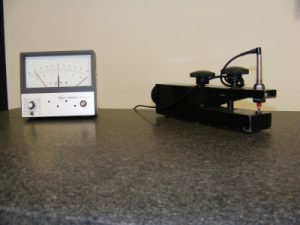
אם תבדקו את חזרתיות של כדור עגול, אז הוכחתם שרדיוס הכדור לא השתנה. (הפרופיל האידיאלי של לוחית שתוקנה כראוי הוא בעל צורה קמורה מכופתרת.) עם זאת, ניכר שהכדור אינו שטוח. ובכן, פחות או יותר. במרחק קצר ביותר, הוא שטוח. מכיוון שרוב עבודות הבדיקה כרוכות במד גובה קרוב מאוד לחלק, חזרתיות הופכת לתכונה הקריטית ביותר של לוח גרניט. חשוב יותר מהשטוחות הכוללת, אלא אם כן המשתמש בודק את הישרות של חלק ארוך.
ודאו שהקבלן שלכם מבצע בדיקת קריאה חוזרת. קריאה חוזרת של פלטה יכולה להיות גבוהה משמעותית מהסבילות ועדיין לעבור בדיקת שטוחות! באופן מדהים, מעבדה יכולה לקבל הסמכה בבדיקות שאינן כוללות בדיקת קריאה חוזרת. מעבדה שלא יכולה לתקן או שאינה טובה במיוחד בתיקון מעדיפה לבצע רק בדיקות שטוחות. השטיחות משתנה לעתים רחוקות אלא אם כן מזיזים את הפלטה.
בדיקות קריאה חוזרות הן הקלות ביותר לבדיקה אך הקשה ביותר להשגה בעת ליטופים. ודאו שהקבלן שלכם יכול לשחזר את חזרתיות מבלי "לגרום ל" פגיעה במשטח או להשאיר גלים במשטח.
מבחן דלתא T
בדיקה זו כוללת מדידת הטמפרטורה בפועל של האבן בפני השטח העליונים והתחתונים שלה וחישוב ההפרש, דלתא T, לצורך דיווח בתעודה.
חשוב לדעת שמקדם ההתפשטות התרמית הממוצע בגרניט הוא 3.5 מיקרו-אינץ'/אינץ'/מעלה. השפעת טמפרטורות הסביבה והלחות על לוח גרניט זניחה. עם זאת, לוח פני השטח יכול לחרוג מהסבילות או לפעמים להשתפר גם אם הוא נמצא בטמפרטורת דלתא של 0.3-0.5 מעלות פרנהייט. יש לדעת אם מקדם ההתפשטות התרמית נמצא בטווח של 0.12 מעלות פרנהייט מההפרש מהכיול האחרון.
חשוב גם לדעת שמשטח העבודה של הפלטה נודד לכיוון החום. אם הטמפרטורה העליונה חמה יותר מהתחתית, אז המשטח העליון עולה. אם התחתית חמה יותר, וזה נדיר, אז המשטח העליון שוקע. לא מספיק שמנהל איכות או טכנאי ידעו שהפלטה שטוחה וניתנת לחזרה בזמן הכיול או התיקון, אלא מה היה מדד הדלתא שלה בזמן בדיקת הכיול הסופית. במצבים קריטיים, משתמש יכול, על ידי מדידת מדד הדלתא בעצמו, לקבוע אם הפלטה חרגה מסבילות עקב שינויים בטמפרטורת הדלתא אך ורק. למרבה המזל, גרניט לוקח שעות רבות או אפילו ימים להסתגל לסביבה. תנודות קלות בטמפרטורת הסביבה לאורך היום לא ישפיעו על כך. מסיבות אלה, איננו מדווחים על טמפרטורת כיול סביבתית או לחות מכיוון שההשפעות זניחות.
שחיקה של לוחות גרניט
בעוד שגרניט קשה יותר מלוחות פלדה, גרניט עדיין מפתח כתמים שפלים על פני השטח. תנועה חוזרת ונשנית של חלקים ומדידים על פני השטח של הלוח היא המקור הגדול ביותר לבלאי, במיוחד אם אותו אזור נמצא בשימוש מתמיד. לכלוך ואבק שחיקה שנשארים על פני השטח של הלוח מאיצים את תהליך הבלאי כשהם מגיעים בין חלקים או מדידים לבין פני השטח של הגרניט. בעת הזזת חלקים ומדידים על פני השטח, אבק שוחק הוא בדרך כלל הגורם לבלאי נוסף. אני ממליץ בחום על ניקוי מתמיד כדי להפחית את הבלאי. ראינו בלאי על לוחות הנגרם ממשלוחי חבילות יומיים של UPS שהונחו על גבי הלוחות! אזורי בלאי מקומיים אלה משפיעים על קריאות בדיקת חזרתיות הכיול. הימנעו מבלאי על ידי ניקוי קבוע.
ניקוי לוחות גרניט
כדי לשמור על ניקיון הצלחת, השתמשו במטלית הדבקה להסרת שאריות. לחצו קלות מאוד, כדי שלא תישארו שאריות דבק. מטלית הדבקה משומשת עושה עבודה מצוינת באיסוף אבק שחיקה בין ניקוי לניקוי. אל תעבדו באותו מקום. הזיזו את המערכת שלכם מסביב להצלחת, ופיזרו את הבלאי. מותר להשתמש באלכוהול לניקוי צלחת, אך שימו לב שפעולה זו תקרר באופן זמני את פני השטח. מים עם כמות קטנה של סבון הם מצוינים. חומרי ניקוי הזמינים מסחרית כמו חומר הניקוי של סטארט מצוינים גם הם לשימוש, אך ודאו שאתם מסירים את כל שאריות הסבון מהמשטח.
תיקון לוחות גרניט
כבר עכשיו אמורה להיות ברורה החשיבות של לוודא שקבלן לוחות השטח שלכם מבצע כיול מוסמך. מעבדות מסוג "בית מסלקה" המציעות תוכניות "לעשות הכל בקריאה אחת" לעיתים רחוקות מחזיקות טכנאי שיכול לבצע תיקונים. גם אם הן מציעות תיקונים, לא תמיד יש להן טכנאי בעל הניסיון הדרוש כאשר לוח השטח חורג באופן משמעותי מהסבילות.
אם נאמר לכם שלא ניתן לתקן לוחית עקב בלאי קיצוני, התקשרו אלינו. סביר להניח שנוכל לבצע את התיקון.
הטכנאים שלנו עובדים עם התמחות של שנה עד שנה וחצי תחת חסות טכנאי ציפוי ראשי. אנו מגדירים טכנאי ציפוי ראשי כמי שסיים את ההתמחות שלו ובעל ניסיון נוסף של למעלה מעשר שנים בכיול ותיקון ציפויים. ב-Dimensional Gauge יש לנו שלושה טכנאים ראשיים בצוות עם למעלה מ-60 שנות ניסיון יחד. אחד הטכנאים הראשיים שלנו זמין בכל עת לתמיכה והכוונה במקרה של מצבים קשים. לכל הטכנאים שלנו ניסיון בכיול ציפויים בכל הגדלים, מקטן ועד גדול מאוד, בתנאי סביבה משתנים, בתעשיות שונות ובבעיות בלאי משמעותיות.
למפרטי הפד יש דרישת גימור ספציפית של חספוס אריתמטי ממוצע (AA) בין 16 ל-64. אנו מעדיפים גימור בטווח של 30-35 AA. יש חספוס מספיק כדי להבטיח שהחלקים והמדידים ינועו בצורה חלקה ולא יידבקו או יסתחטו לפלטה.
כשאנחנו מתקנים, אנחנו בודקים את הפלטה כדי לוודא שהיא מתחברת ומיושרת כראוי. אנחנו משתמשים בשיטת ליטופ יבש, אבל במקרים של בלאי קיצוני הדורש הסרה משמעותית של הגרניט, אנחנו עושים ליטופ רטוב. הטכנאים שלנו מנקים אחריהם, הם יסודיים, מהירים ומדויקים. זה חשוב כי עלות שירות לוחות הגרניט כוללת את זמן ההשבתה ואת אובדן הייצור. תיקון מקצועי הוא בעל חשיבות עליונה, ולעולם אסור לבחור קבלן על סמך מחיר או נוחות. עבודות כיול מסוימות דורשות אנשים מיומנים ביותר. יש לנו את זה.
דוחות כיול סופיים
עבור כל תיקון וכיול של משטח, אנו מספקים דוחות מקצועיים מפורטים. הדוחות שלנו מכילים כמות משמעותית של מידע קריטי ורלוונטי כאחד. Fed Spec. דורש את רוב המידע שסיפקנו. למעט אלו הכלולים בתקני איכות אחרים כגון ISO/IEC-17025, מפרטי Fed. המינימליים עבור דוחות הם:
- גודל ברגל (X' x X')
- צֶבַע
- סגנון (מתייחס למערכות ללא מהדק או למערכות עם שניים או ארבעה מערכות)
- מודול גמישות משוער
- סבילות מישור ממוצעת (נקבעת לפי דרגה/גודל)
- סבילות לקריאה חוזרת (נקבעת על ידי אורך אלכסוני באינצ'ים)
- מישור ממוצע כפי שנמצא
- מישור ממוצע משמאל
- חזור על הקריאה כפי שנמצא
- חזור על הקריאה כמו משמאל
- דלתא T (הפרש טמפרטורות בין המשטחים העליונים והתחתונים)
אם הטכנאי צריך לבצע עבודות ליטופינג או תיקון על פני השטח של הפלטה, אזי תעודת הכיול מלווה בגרף טופוגרפי או איזומטרי כדי להוכיח תיקון תקף.
מילה בנוגע להסמכות ISO/IEC-17025 והמעבדות המחזיקות בהן
רק בגלל שלמעבדה יש הסמכה בכיול משטחי עיבוד שבבי, זה לא בהכרח אומר שהיא יודעת מה היא עושה, קל וחומר שהיא עושה את זה נכון! זה גם לא בהכרח אומר שהמעבדה יכולה לתקן. גופי ההסמכה לא מבחינים בין אימות לכיול (תיקון).Aואני מכיר אחד, אולי2גופי הסמכה אשר יעשוLעֲנִיבָהAסרט סביב הכלב שלי אם הייתי משלם להם מספיק כסף! זו עובדה עצובה. ראיתי מעבדות מקבלות הסמכה על ידי ביצוע רק אחת משלוש הבדיקות הנדרשות. יתר על כן, ראיתי מעבדות מקבלות הסמכה עם אי ודאויות לא מציאותיות ומקבלות הסמכה ללא כל הוכחה או הדגמה כיצד הן חישבו את הערכים. זה הכל מצער.
סיכום
אי אפשר לזלזל בתפקיד של לוחות גרניט מדויקים. נקודת הייחוס השטוחה שמספקות לוחות הגרניט היא הבסיס שעליו מבצעים את כל המדידות האחרות.
ניתן להשתמש במכשירי המדידה המודרניים, המדויקים והרב-תכליתיים ביותר. עם זאת, קשה לקבוע מדידות מדויקות אם משטח הייחוס אינו שטוח. פעם אחת, לקוח פוטנציאלי אמר לי "ובכן, זה סתם סלע!". תשובתי הייתה: "אוקיי, אתה צודק, ואתה בהחלט לא יכול להצדיק ביקוש של מומחים לתחזק את משטחי הפנים שלך."
מחיר אף פעם אינו סיבה טובה לבחור בקבלני עבודות גמר. קונים, רואי חשבון ומספר מטריד של מהנדסי איכות לא תמיד מבינים שחידוש הסמכה של לוחות גרניט אינו כמו חידוש הסמכה של מיקרומטר, קליבר או DMM.
ישנם מכשירים הדורשים מומחיות, לא מחיר נמוך. עם זאת, המחירים שלנו סבירים מאוד. במיוחד כדי לקבל ביטחון בכך שאנו מבצעים את העבודה בצורה נכונה. אנו הולכים הרבה מעבר לדרישות ISO-17025 והמפרטים הפדרליים מבחינת ערך מוסף.
לוחות פני השטח הם הבסיס למדידות ממדיות רבות, וטיפול נכון בלוחית פני השטח שלכם הכרחי כדי להבטיח דיוק מדידה.
גרניט הוא החומר הפופולרי ביותר המשמש ללוחות שטח בשל מאפייניו הפיזיים האידיאליים, כגון קשיות פני השטח ורגישות נמוכה לתנודות טמפרטורה. עם זאת, עם שימוש מתמשך, לוחות שטח חווים שחיקה.
שטוחות וחזרתיות הן שתיהן היבטים קריטיים לקביעת האם פלטה מספקת משטח מדויק לקבלת מדידות מדויקות. הסבולות לשני ההיבטים מוגדרות תחת המפרט הפדרלי GGG-P-463C, DIN, GB, JJS... שטוחות היא מדידת המרחק בין הנקודה הגבוהה ביותר (מישור הגג) לנקודה הנמוכה ביותר (מישור הבסיס) על הפלטה. חזרתיות קובעת אם ניתן לחזור על מדידה שנלקחה מאזור אחד על פני כל הפלטה במסגרת הסבולת שצוינה. זה מבטיח שלא יהיו שיאים או עמקים בפלטה. אם הקריאות אינן במסגרת ההנחיות שצוינו, ייתכן שיידרש חיפוי מחדש כדי להחזיר את המידות למפרט.
כיול שגרתי של משטחי שטח נחוץ כדי להבטיח שטוחות וחזרתיות לאורך זמן. קבוצת המדידה המדויקת בקרוס מוסמכת לתקן ISO 17025 לכיול של שטוחות משטחי שטח וחזרתיות. אנו משתמשים במערכת הסמכת משטחי Mahr הכוללת:
- ניתוח מצבי רוח ופרופיל,
- גרפים איזומטריים או מספריים,
- ממוצע ריצות מרובות, ו
- דירוג אוטומטי בהתאם לתקני התעשייה.
מודל Mahr בעזרת מחשב קובע כל סטייה זוויתית או ליניארית מהגובה המוחלט, והוא מתאים באופן אידיאלי ליצירת פרופיל מדויק ביותר של לוחות פני שטח.
המרווחים בין הכיולים ישתנו בהתאם לתדירות השימוש, לתנאי הסביבה שבה נמצאת הפלטה ולדרישות האיכות הספציפיות של החברה שלכם. תחזוקה נכונה של פלטת השטח עשויה לאפשר מרווחי זמן ארוכים יותר בין כל כיול, לסייע לכם להימנע מעלות נוספת של כיול מחדש, וחשוב מכל מבטיחה שהמדידות שאתם מקבלים על הפלטה יהיו מדויקות ככל האפשר. למרות שפלטות שטח נראות חזקות, הן מכשירים מדויקים ויש להתייחס אליהן ככאלה. הנה כמה דברים שכדאי לקחת בחשבון בנוגע לטיפול בפלטות השטח שלכם:
- שמרו על הצלחת נקייה, ואם אפשר כסו אותה כשהיא אינה בשימוש
- אין להניח דבר על הצלחת מלבד מדידים או חלקים למדידה.
- אל תשתמשו באותה נקודה על הצלחת בכל פעם.
- במידת האפשר, סובבו את הצלחת מעת לעת.
- כבדו את מגבלת העומס של הצלחת שלכם
בסיס גרניט מדויק יכול לשפר את ביצועי כלי המכונה
הדרישות בהנדסת מכונות בכלל ובבניית מכונות בפרט עולות בהתמדה. השגת דיוק וביצועים מקסימליים מבלי להגדיל את העלויות מהווים אתגר מתמיד לתחרותיות. משטח המכונות הוא גורם מכריע כאן. לכן, יותר ויותר יצרני מכונות מסתמכים על גרניט. בשל הפרמטרים הפיזיים שלו, הוא מציע יתרונות ברורים שלא ניתן להשיג עם פלדה או בטון פולימרי.
גרניט הוא סלע עמוק, המכונה סלע וולקני, ובעל מבנה צפוף והומוגני מאוד עם מקדם התפשטות נמוך במיוחד, מוליכות תרמית נמוכה ובלימת רעידות גבוהה.
להלן תגלו מדוע הדעה הרווחת שגרניט מתאים בעיקר כבסיס למכונות מדידה מתקדמות בלבד מיושנת מזמן, ומדוע חומר טבעי זה כבסיס לכלי מכונה מהווה אלטרנטיבה יתרונה מאוד לפלדה או ברזל יצוק, אפילו עבור מכונות דיוק גבוה.
אנו יכולים לייצר רכיבי גרניט לתנועה דינמית, רכיבי גרניט למנועים ליניאריים, רכיבי גרניט ל-ndt, רכיבי גרניט לצילום רנטגן, רכיבי גרניט ל-cmm, רכיבי גרניט ל-cnc, גרניט מדויק ללייזר, רכיבי גרניט לתעופה וחלל, רכיבי גרניט לבמות מדויקות...
ערך מוסף גבוה ללא עלויות נוספות
השימוש הגובר בגרניט בהנדסת מכונות אינו נובע כל כך מהעלייה העצומה במחיר הפלדה. אלא משום שהערך המוסף עבור המכונה המושג באמצעות משטח מכונה עשוי גרניט אפשרי בעלות נוספת נמוכה מאוד, או ללא עלות נוספת כלל. הדבר מוכח על ידי השוואות עלויות של יצרני מכונות ידועים בגרמניה ובאירופה.
השיפור הניכר ביציבות תרמודינמית, ריסון רעידות ודיוק לטווח ארוך שמאפשר גרניט, אינו ניתן להשגה באמצעות מצע ברזל יצוק או פלדה, או רק בעלות גבוהה יחסית. לדוגמה, שגיאות תרמיות יכולות להוות עד 75% מסך השגיאה של מכונה, כאשר פיצוי עליהן נעשה לעתים קרובות באמצעות תוכנה - בהצלחה בינונית. בשל מוליכותו התרמית הנמוכה, גרניט הוא הבסיס הטוב יותר לדיוק לטווח ארוך.
עם סבילות של 1 מיקרון, גרניט עומד בקלות בדרישות השטיחות לפי DIN 876 עבור דרגת דיוק 00. עם ערך של 6 בסולם הקשיות מ-1 עד 10, הוא קשה ביותר, ועם משקל סגולי של 2.8 גרם/סמ"ק הוא כמעט מגיע לערך של אלומיניום. זה גם מביא ליתרונות נוספים כגון קצב הזנה גבוה יותר, תאוצות ציר גבוהות יותר והארכת חיי הכלי עבור מכונות חיתוך. לפיכך, המעבר ממצע יצוקה למצע מכונה מגרניט מעביר את כלי המכונה המדובר לקטגוריה היוקרתית מבחינת דיוק וביצועים - ללא עלות נוספת.
טביעת הרגל האקולוגית המשופרת של גרניט
בניגוד לחומרים כמו פלדה או ברזל יצוק, אבן טבעית אינה חייבת להיות מיוצרת באנרגיה רבה ובתוספים. נדרשות כמויות אנרגיה קטנות יחסית לכרייה ולטיפול פני השטח. התוצאה היא טביעת רגל אקולוגית מעולה, שאפילו בסוף חיי המכונה עולה על זו של פלדה כחומר. מצע הגרניט יכול לשמש בסיס למכונה חדשה או לשמש למטרות שונות לחלוטין כמו גריסה לבניית כבישים.
וגם אין מחסור במשאבים לגרניט. זהו סלע עמוק שנוצר ממאגמה בתוך קרום כדור הארץ. הוא "התבגר" במשך מיליוני שנים וזמין בכמויות גדולות מאוד כמשאב טבעי כמעט בכל היבשות, כולל כל אירופה.
סיכום: היתרונות הרבים והניתנים להוכחה של גרניט בהשוואה לפלדה או ברזל יצוק מצדיקים את הנכונות הגוברת של מהנדסי מכונות להשתמש בחומר טבעי זה כבסיס לכלי עבודה מדויקים ובעלי ביצועים גבוהים. מידע מפורט על תכונות הגרניט, המועילות לכלי עבודה ולהנדסת מכונות, ניתן למצוא במאמר נוסף זה.
מדידה חוזרת היא מדידה של אזורי שטוחות מקומיים. מפרט המדידה החוזרת קובע כי מדידה שנעשית בכל מקום על פני השטח של פלטה תחזור על עצמה במסגרת הסבילות שצוינה. שליטה הדוקה יותר על שטוחות השטח המקומי מאשר על שטוחות השטח הכוללת מבטיחה שינוי הדרגתי בפרופיל שטוחות פני השטח ובכך ממזערת שגיאות מקומיות.
רוב היצרנים, כולל מותגים מיובאים, דבקים במפרט הפדרלי של סבילות השטיחות הכוללת, אך רבים מתעלמים מהמדידות החוזרות. רבות מהלוחות הזולים או החסכוניים הקיימים בשוק כיום אינם מבטיחים מדידות חוזרות. יצרן שאינו מבטיח מדידות חוזרות אינו מייצר לוחות העומדים בדרישות ASME B89.3.7-2013 או המפרט הפדרלי GGG-P-463c, או DIN 876, GB, JJS...
שניהם קריטיים להבטחת משטח מדויק למדידות מדויקות. מפרט השטיחות לבדו אינו מספיק כדי להבטיח דיוק מדידה. קחו כדוגמה, פלטת משטח בגודל 36 X 48 בדרגת בדיקה A, העומדת רק במפרט השטיחות של 0.000300 אינץ'. אם החלק הנבדק מגשר על מספר שיאים, והמדידה שבה נעשה שימוש נמצאת במקום נמוך, שגיאת המדידה עשויה להיות הסבילות המלאה באזור אחד, 0.00300 אינץ'! למעשה, היא יכולה להיות גבוהה בהרבה אם המדידה מונח על שיפוע של שיפוע.
שגיאות של 0.000600" עד 0.000800" אפשריות, בהתאם לחומרת השיפוע ולאורך הזרוע של המדידה שבשימוש. אם לפלטה זו היה מפרט מדידה חוזרת של 0.000050" FIR, שגיאת המדידה הייתה קטנה מ-0.000050" ללא קשר למקום שבו המדידה מתבצעת על הפלטה. בעיה נוספת, שבדרך כלל מתעוררת כאשר טכנאי לא מיומן מנסה לחדש את הציפוי של הפלטה באתר, היא השימוש במדידות חוזרות בלבד כדי לאשר את הפלטה.
המכשירים המשמשים לאימות חזרתיות אינם מיועדים לבדוק את השטיחות הכוללת. כאשר הם מכוונים לאפס על משטח מעוגל לחלוטין, הם ימשיכו לקרוא אפס, בין אם המשטח שטוח לחלוטין, קעור לחלוטין או קמור בגודל 1/2 אינץ'! הם פשוט מאמתים את אחידות המשטח, לא את השטיחות. רק לוחית שעומדת גם במפרט השטיחות וגם במפרט המדידה החוזרת באמת עומדת בדרישות ASME B89.3.7-2013 או המפרט הפדרלי GGG-P-463c.
Ask us about or flatness specification and repeat measurement promise by calling +86 19969991659 or emailing INFO@ZHHIMG.COM
כן, אבל ניתן להבטיח זאת רק עבור גרדיאנט טמפרטורה אנכי ספציפי. השפעות ההתפשטות התרמית על הפלטה עלולות בקלות לגרום לשינוי בדיוק גדול מהסבילות אם יש שינוי בגרדיאנט. במקרים מסוימים, אם הסבילות צפופה מספיק, החום הנספג מתאורת תקרה יכול לגרום לשינוי גרדיאנט מספיק במשך מספר שעות.
לגרניט מקדם התפשטות תרמית של כ-0.0000035 אינץ' לאינץ' לכל 1°F. לדוגמה: לפלטה בגודל 36 אינץ' x 48 אינץ' x 8 אינץ' יש דיוק של 0.000075 אינץ' (1/2 מדרגה AA) בשיפוע של 0°F, החלק העליון והתחתון באותה טמפרטורה. אם החלק העליון של הפלטה מתחמם עד לנקודה שבה הוא חם ב-1°F מהחלק התחתון, הדיוק ישתנה ל-0.000275 אינץ' קמור! לכן, יש לשקול הזמנת פלטה עם סבילות צמודה יותר מדרגת מעבדה AA רק אם יש בקרת אקלים מספקת.
יש לתמוך בפלטה משטחית בשלוש נקודות, באופן אידיאלי במרחק של 20% מהאורך מקצות הפלטה. שתי תומכות צריכות להיות ממוקמות במרחק של 20% מהרוחב מהצדדים הארוכים, והתמיכה הנותרת צריכה להיות ממורכזת. רק 3 נקודות יכולות להישען בצורה יציבה על כל דבר מלבד משטח מדויק.
יש לתמוך בפלטה בנקודות אלו במהלך הייצור, ויש לתמוך בה רק בשלוש נקודות אלו בזמן השימוש. ניסיון לתמוך בפלטה ביותר משלוש נקודות יגרום לפלטה לקבל את תמיכתה משילובים שונים של שלוש נקודות, שלא יהיו אותן 3 נקודות בהן היא נתמכה במהלך הייצור. דבר זה יגרום לשגיאות כאשר הפלטה תסטה כדי להתאים לסידור התמיכה החדש. לכל מעמדי הפלדה של zhhimg יש קורות תמיכה שנועדו ליישר קו עם נקודות התמיכה המתאימות.
אם הפלטה נתמכת כראוי, יישור מדויק נחוץ רק אם היישום דורש זאת. יישור אינו הכרחי כדי לשמור על דיוק של פלטה נתמכת כראוי.
למה לבחור גרניט עבורבסיסי מכונותורכיבי מטרולוגיה?
התשובה היא 'כן' כמעט לכל יישום. היתרונות של גרניט כוללים: ללא חלודה או קורוזיה, כמעט חסין מפני עיוות, ללא גבשושית מפצה בעת סדקים, חיי שחיקה ארוכים יותר, פעולה חלקה יותר, דיוק רב יותר, כמעט ולא מגנטי, מקדם התפשטות תרמית נמוך ועלות תחזוקה נמוכה.
גרניט הוא סוג של סלע מגמטי שנחצב בשל חוזקו, צפיפותו, עמידותו ועמידותו בפני קורוזיה. אבל גרניט הוא גם רב-תכליתי מאוד - הוא לא רק לריבועים ומלבנים! למעשה, Starrett Tru-Stone עובדת בביטחון עם רכיבי גרניט המעוצבים בצורות, זוויות ועקומות מכל הווריאציות באופן קבוע - עם תוצאות מצוינות.
בזכות עיבוד חדשני, משטחי חיתוך יכולים להיות שטוחים במיוחד. תכונות אלו הופכות את הגרניט לחומר האידיאלי ליצירת בסיסי מכונות ורכיבי מטרולוגיה בגודל ובעיצוב מותאם אישית. גרניט הוא:
ניתן לעיבוד שבבי
שטוח בדיוק לאחר חיתוך וסיום
עמיד בפני חלודה
עָמִיד
לאורך זמן
רכיבי גרניט גם קלים לניקוי. בעת יצירת עיצובים בהתאמה אישית, הקפידו לבחור גרניט בשל יתרונותיו המעולים.
סטנדרטים/ יישומים עמידים בפני שחיקה גבוהה
הגרניט בו משתמשת ZhongHui עבור מוצרי לוחות השטח הסטנדרטיים שלנו מכיל תכולת קוורץ גבוהה, המספקת עמידות רבה יותר בפני בלאי ונזק. לצבעים השחור והוורוד המעולה שלנו יש שיעורי ספיגת מים נמוכים, מה שממזער את האפשרות של חלודה של מדי הדיוק שלכם בעת התקנה על הלוחות. צבעי הגרניט המוצעים על ידי ZhongHui גורמים לפחות סנוור, מה שאומר פחות עומס על העיניים עבור אנשים המשתמשים בלוחות. בחרנו את סוגי הגרניט שלנו תוך התחשבות בהתפשטות תרמית במאמץ לשמור על היבט זה מינימלי.
יישומים מותאמים אישית
כאשר היישום שלכם דורש פלטה עם צורות מותאמות אישית, תוספות הברגה, חריצים או עיבוד אחר, תרצו לבחור חומר כמו Black Diabase. חומר טבעי זה מציע קשיחות מעולה, ריסון רעידות מעולה ויכולת עיבוד משופרת.
כן, אם הם לא שחוקים מדי. הגדרות היצרן והציוד שלנו מאפשרים את התנאים האופטימליים לכיול נכון של הפלטות ולעיבוד חוזר במידת הצורך. באופן כללי, אם פלטה נמצאת בטווח של 0.001 אינץ' מהסבילות הנדרשת, ניתן לחדש אותה באתר. אם פלטה שחוקה עד כדי כך שהיא חורגת מהסבילות ביותר מ-0.001 אינץ', או אם היא חקוקה או מחוררת קשות, יהיה צורך לשלוח אותה למפעל לטחינה לפני חידוש הציפוי.
יש לנקוט משנה זהירות בבחירת טכנאי כיול וחידוש ציפויים באתר. אנו ממליצים לכם לנקוט משנה זהירות בבחירת שירות הכיול שלכם. בקשו הסמכה וודאו שהציוד שהטכנאי ישתמש בו כולל כיול שניתן לעקוב אחריו על ידי מכון הפיקוח הלאומי. לוקח שנים רבות ללמוד כיצד לחטב כראוי גרניט מדויק.
ZhongHui מספקת שירות מהיר לכיולים המבוצעים במפעל שלנו. שלחו את הלוחות שלכם לכיול במידת האפשר. האיכות והמוניטין שלכם תלויים בדיוק מכשירי המדידה שלכם, כולל לוחות פני השטח!
ללוחות השחורים שלנו יש צפיפות גבוהה משמעותית והם נוקשים עד פי שלושה. לכן, לוח העשוי מהשחור אינו צריך להיות עבה כמו לוח גרניט באותו גודל כדי להיות בעל עמידות שווה או גדולה יותר בפני סטייה. עובי מופחת פירושו פחות משקל ועלויות משלוח נמוכות יותר.
היזהרו מאחרים המשתמשים בגרניט שחור באיכות נמוכה יותר באותו עובי. כפי שצוין לעיל, תכונות של גרניט, כמו עץ או מתכת, משתנות בהתאם לחומר ולצבע, ואינן מהוות מדד מדויק לנוקשות, קשיות או עמידות בפני שחיקה. למעשה, סוגים רבים של גרניט שחור ודיאבס רכים מאוד ואינם מתאימים ליישומי משטח.
לא. הציוד המיוחד וההכשרה הנדרשים לעיבוד מחדש של פריטים אלה מחייבים החזרתם למפעל לצורך כיול ועיבוד מחדש.
כן. לקרמיקה ולגרניט יש מאפיינים דומים, והשיטות המשמשות לכיול ולליטוש גרניט ניתנות לשימוש גם עם פריטים קרמיים. קרמיקה קשה יותר ללליטוש מאשר גרניט, מה שמביא לעלות גבוהה יותר.
כן, בתנאי שהמוספות שקועים מתחת לפני השטח. אם מוספות הפלדה צמודות או מעל מישור פני השטח, יש לחתוך אותן נקודתית כלפי מטה לפני שניתן יהיה לחפוף את הפלטה. במידת הצורך, אנו יכולים לספק שירות זה.
כן. ניתן להדביק תוספות פלדה עם הברגה הרצויה (אנגלית או מטרי) באפוקסי לתוך הפלטה במיקומים הרצויים. ZhongHui משתמשת במכונות CNC כדי לספק את מיקומי התוספות ההדוקים ביותר בטווח של +/- 0.005 אינץ'. עבור תוספות פחות קריטיות, הסבולת המיקוםית שלנו לתוספות הברגה היא ±0.060 אינץ'. אפשרויות נוספות כוללות מוטות T מפלדה וחריצים זנב יונה המעובדים ישירות לתוך הגרניט.
תוספות המודבקות כראוי באמצעות אפוקסי בעל חוזק גבוה ועבודה טובה יעמדו בכוח פיתול וגזירה רב. בבדיקה שנעשתה לאחרונה, באמצעות תוספות הברגה 3/8"-16, מעבדת בדיקות עצמאית מדדה את הכוח הנדרש כדי למשוך תוספת מודבקת אפוקסי מלוח פני השטח. נבדקו עשרה לוחות. מתוך עשרה אלה, בתשעה מקרים, הגרניט נשבר ראשון. העומס הממוצע בנקודת הכשל היה 10,020 פאונד עבור גרניט אפור ו-12,310 פאונד עבור גרניט שחור. במקרה היחיד שבו תוספת השתחררה מהלוח, העומס בנקודת הכשל היה 12,990 פאונד! אם חומר עבודה יוצר גשר על פני התוספת ומופעל מומנט קיצוני, ניתן לייצר מספיק כוח כדי לשבור את הגרניט. בין היתר מסיבה זו, ZhongHui נותן הנחיות למומנט המרבי הבטוח שניתן להפעיל על תוספות המודבקות באפוקסי: https://www.zhhimg.com/standard-thread-inserts-product/
כן, אבל רק במפעל שלנו. במפעל שלנו, אנו יכולים לשחזר כמעט כל פלטה למצב "כמו חדשה", בדרך כלל בפחות ממחצית העלות של החלפתה. ניתן לתקן קצוות פגומים באופן קוסמטי, ניתן לשייף חריצים עמוקים, סדקים ובורות, ולהחליף את התומכים המחוברים. בנוסף, אנו יכולים לשנות את הפלטה שלכם כדי להגדיל את הרבגוניות שלה על ידי הוספת תוספות פלדה מוצקות או מושחלות וחיתוך חריצים או שפתיים מהדקות, בהתאם למפרט שלכם.
למה לבחור גרניט?
גרניט הוא סוג של סלע מגמטי שנוצר בכדור הארץ לפני מיליוני שנים. הרכב הסלע המגמטי הכיל מינרלים רבים כמו קוורץ, שהוא קשה ביותר ועמיד בפני שחיקה. בנוסף לקשיות ועמידות בפני שחיקה, לגרניט יש מקדם התפשטות של כמחצית מזה של ברזל יצוק. מכיוון שמשקלו הנפחי הוא כשליש מזה של ברזל יצוק, גרניט קל יותר לתמרון.
עבור בסיסי מכונות ורכיבי מטרולוגיה, גרניט שחור הוא הצבע הנפוץ ביותר. לגרניט שחור יש אחוז קוורץ גבוה יותר מצבעים אחרים ולכן הוא החזק ביותר לבלאי.
גרניט הוא חסכוני, ומשטחי החיתוך יכולים להיות שטוחים במיוחד. לא רק שניתן ללטש אותו ידנית כדי להשיג דיוק קיצוני, אלא שניתן לבצע את תהליך הליטוש מחדש מבלי להזיז את הצלחת או השולחן מחוץ לאתר. זוהי פעולת ליטוש ידנית לחלוטין ובדרך כלל עולה הרבה פחות מאשר ליטוש מחדש של אלטרנטיבה מברזל יצוק.
תכונות אלו הופכות את הגרניט לחומר האידיאלי ליצירת בסיסי מכונות ורכיבי מטרולוגיה בגודל ובעיצוב מותאם אישית כגוןמשטח גרניט.
ZhongHui מייצרת מוצרי גרניט בהתאמה אישית שנוצרו כדי לתמוך בדרישות מידה ספציפיות. פריטים בהתאמה אישית אלה נעים ביןקצוות ישרים toשלושה ריבועיםבשל אופיו הרב-תכליתי של הגרניט, ה-רכיביםניתן לייצר בכל גודל נדרש; הם עמידים ועמידים לאורך זמן.
יתרונות של לוחות משטח גרניט
חשיבות המדידה על משטח ישר נקבעה על ידי הממציא הבריטי הנרי מודסלי במאה ה-19. כממציא של כלי עבודה מכניים, הוא קבע כי ייצור עקבי של חלקים דורש משטח מוצק למדידות אמינות.
המהפכה התעשייתית יצרה ביקוש למשטחי מדידה, ולכן חברת ההנדסה קראון ווינדלי יצרה סטנדרטים לייצור. הסטנדרטים ללוחות פני השטח נקבעו לראשונה על ידי קראון בשנת 1904 תוך שימוש במתכת. ככל שהביקוש והעלות למתכת גברו, נחקרו חומרים חלופיים למשטח המדידה.
באמריקה, יוצר המונומנטים וואלאס הרמן קבע כי גרניט שחור הוא חומר מצוין ללוחות שטח, אלטרנטיבה למתכת. מכיוון שגרניט אינו מגנטי ואינו מחליד, הוא הפך במהרה למשטח המדידה המועדף.
משטח גרניט הוא השקעה חיונית עבור מעבדות ומתקני בדיקה. ניתן להרכיב משטח גרניט בגודל 600 x 600 מ"מ על מעמד תמיכה. המעמדים מספקים גובה עבודה של 34 אינץ' (0.86 מטר) עם חמש נקודות מתכווננות ליישור.
לקבלת תוצאות מדידה אמינות ועקביות, משטח גרניט הוא קריטי. מכיוון שהמשטח הוא מישור חלק ויציב, הוא מאפשר מניפולציה מדוקדקת של המכשירים.
היתרונות העיקריים של לוחות משטח גרניט הם:
• לא מחזיר אור
• עמיד בפני כימיקלים וקורוזיה
• מקדם התפשטות נמוך בהשוואה לברזל עגלה ולכן פחות מושפע משינויי טמפרטורה
• קשיח ועמיד באופן טבעי
• מישור המשטח לא יושפע אם נשרט
• לא יחליד
• לא מגנטי
• קל לניקוי ותחזוקה
• ניתן לבצע כיול וחידוש ריצוף במקום
• מתאים לקידוח עבור מוספים תומכים הברגה
• ריסון רעידות גבוה
עבור בתי מלאכה, חדרי בדיקה ומעבדות רבים, לוחות גרניט מדויקים משמשים כבסיס למדידה מדויקת. מכיוון שכל מדידה ליניארית תלויה במשטח ייחוס מדויק שממנו נלקחות המידות הסופיות, לוחות המשטח מספקים את מישור הייחוס הטוב ביותר לבדיקת עבודה ופריסה לפני עיבוד שבבי. הם גם בסיסים אידיאליים לביצוע מדידות גובה ומדידת משטחים. יתר על כן, רמה גבוהה של שטוחות, יציבות, איכות כוללת וביצוע הופכים אותם לבחירה טובה להרכבת מערכות מדידה מכניות, אלקטרוניות ואופטיות מתוחכמות. עבור כל אחד מתהליכי המדידה הללו, חיוני לשמור על לוחות המשטח מכוילים.
מדידות חוזרות ושטיחות
גם שטוחות וגם מדידות חוזרות הן קריטיות להבטחת משטח מדויק. ניתן להתייחס לשטיחות כאל כל הנקודות על פני השטח הנמצאות בתוך שני מישורים מקבילים, מישור הבסיס ומישור הגג. מדידת המרחק בין המישורים היא השטיחות הכוללת של פני השטח. מדידת שטוחות זו בדרך כלל נושאת סבולת ועשויה לכלול ייעוד דרגה.
סבולות השטיחות עבור שלוש דרגות סטנדרטיות מוגדרות במפרט הפדרלי כפי שנקבע על ידי הנוסחה הבאה:
מעבדה דרגה AA = (40 + אלכסון² / 25) x 0.000001 אינץ' (חד צדדי)
דרגת בדיקה A = דרגת מעבדה AA x 2
חדר כלים דרגה B = מעבדה דרגה AA x 4
בנוסף לשטיחות, יש להבטיח חזרתיות. מדידה חוזרת היא מדידה של אזורי שטוחות מקומיים. זוהי מדידה הנלקחת בכל מקום על פני השטח של פלטה שתחזור על עצמה במסגרת הסבילות שצוינה. שליטה על השטיחות באזור המקומי לסבילות צמודה יותר מהשטיחות הכוללת מבטיחה שינוי הדרגתי בפרופיל השטיחות של פני השטח, ובכך ממזערת שגיאות מקומיות.
כדי להבטיח שלוחית פני השטח עומדת הן במפרטי השטיחות והן במפרטי המדידה החוזרת ונשנית, יצרני לוחות פני השטח של גרניט צריכים להשתמש במפרט הפדרלי GGG-P-463c כבסיס למפרטים שלהם. תקן זה עוסק בדיוק מדידה חוזרת, תכונות החומר של לוחות פני השטח של גרניט, גימור פני השטח, מיקום נקודות תמיכה, קשיחות, שיטות בדיקה מקובלות והתקנה של תוספות הברגה.
לפני שצלחת פני השטח נשחקה מעבר למפרט של שטוחות כללית, היא תראה עמודים שחוקים או גליים. בדיקה חודשית לאיתור שגיאות מדידה חוזרות באמצעות מד קריאה חוזר תזהה נקודות שחיקה. מד קריאה חוזרת הוא מכשיר מדויק ביותר המזהה שגיאה מקומית וניתן להציגו על גבי מגבר אלקטרוני בהגדלה גבוהה.
בדיקת דיוק הלוח
על ידי ביצוע מספר הנחיות פשוטות, השקעה בלוח משטח גרניט אמורה להחזיק מעמד שנים רבות. בהתאם לשימוש בלוח, סביבת הסדנה והדיוק הנדרש, תדירות בדיקת דיוק לוח המשטח משתנה. כלל אצבע כללי הוא שלוח חדש יעבור כיול מחדש מלא תוך שנה ממועד הרכישה. אם הלוח נמצא בשימוש תכוף, מומלץ לקצר מרווח זמן זה לשישה חודשים.
לפני שצלחת פני השטח נשחקה מעבר למפרט של שטוחות כללית, היא תראה עמודים שחוקים או גליים. בדיקה חודשית לאיתור שגיאות מדידה חוזרות באמצעות מד קריאה חוזר תזהה נקודות שחיקה. מד קריאה חוזרת הוא מכשיר מדויק ביותר המזהה שגיאה מקומית וניתן להציגו על גבי מגבר אלקטרוני בהגדלה גבוהה.
תוכנית בדיקה יעילה צריכה לכלול בדיקות סדירות באמצעות אוטוקולימטור, המספק כיול בפועל של השטיחות הכוללת, הניתן לייחס למכון הלאומי לתקנים וטכנולוגיה (NIST). כיול מקיף על ידי היצרן או חברה עצמאית נחוץ מעת לעת.
וריאציות בין כיולים
במקרים מסוימים, ישנם הבדלים בין כיולים של לוחות פני השטח. לעיתים גורמים כגון שינוי פני השטח כתוצאה מבלאי, שימוש שגוי בציוד בדיקה או שימוש בציוד לא מכויל יכולים להסביר את הבדלים אלה. עם זאת, שני הגורמים הנפוצים ביותר הם טמפרטורה ותמיכה.
אחד המשתנים החשובים ביותר הוא הטמפרטורה. לדוגמה, ייתכן שהמשטח נשטף בתמיסה חמה או קרה לפני הכיול ולא ניתן לו מספיק זמן להתייצב. סיבות נוספות לשינוי טמפרטורה כוללות משבי אוויר קר או חם, אור שמש ישיר, תאורת תקרה או מקורות חום קורנים אחרים על פני השטח של הפלטה.
כמו כן, ייתכנו שינויים במפל הטמפרטורה האנכי בין חורף לקיץ. במקרים מסוימים, לפלטה לא ניתנת מספיק זמן להתנרמל לאחר המשלוח. מומלץ לתעד את טמפרטורת המפל האנכי בזמן ביצוע הכיול.
סיבה נפוצה נוספת לשונות בכיול היא פלטה שאינה נתמכת כראוי. יש לתמוך בפלטה משטחית בשלוש נקודות, באופן אידיאלי במרחק של 20% מהאורך מקצות הפלטה. שני תומכים צריכים להיות ממוקמים במרחק של 20% מהרוחב מהצדדים הארוכים, והתמיכה הנותרת צריכה להיות ממורכזת.
רק שלוש נקודות יכולות להישען באופן יציב על כל דבר מלבד משטח מדויק. ניסיון לתמוך בפלטה ביותר משלוש נקודות יגרום לפלטה לקבל את תמיכתה משילובים שונים של שלוש נקודות, שלא יהיו אותן שלוש נקודות עליהן היא נתמכה במהלך הייצור. דבר זה יגרום לשגיאות כאשר הפלטה תסטה כדי להתאים לסידור התמיכה החדש. שקלו להשתמש במעמדי פלדה עם קורות תמיכה שנועדו ליישר קו עם נקודות התמיכה המתאימות. מעמדים למטרה זו זמינים בדרך כלל מיצרן פלטת המשטח.
אם הפלטה נתמכת כראוי, יישור מדויק נחוץ רק אם יישום מציין זאת. יישור אינו הכרחי כדי לשמור על דיוק של פלטה נתמכת כראוי.
חשוב לשמור על ניקיון הפלטה. אבק שוחק הנישא באוויר הוא בדרך כלל המקור הגדול ביותר לבלאי של הפלטה, מכיוון שהוא נוטה להיטמע בחומר העבודה ובמשטחי המגע של המדידה. יש לכסות את הפלטות כדי להגן עליהן מפני אבק ונזק. ניתן להאריך את חיי הבלאי על ידי כיסוי הפלטה כאשר אינה בשימוש.
הארכת חיי הלוח
ביצוע מספר הנחיות יפחית את הבלאי על משטח הגרניט ובסופו של דבר, יאריך את חייו.
ראשית, חשוב לשמור על ניקיון הפלטה. אבק שוחק הנישא באוויר הוא בדרך כלל המקור הגדול ביותר לבלאי ולשחיקה של הפלטה, מכיוון שהוא נוטה להיטמע בחומר העבודה ובמשטחי המגע של המדידה.
חשוב גם לכסות את הצלחות כדי להגן עליהן מפני אבק ונזקים. ניתן להאריך את חיי הבלאי על ידי כיסוי הצלחת כאשר אינה בשימוש.
סובבו את הפלטה מעת לעת כדי שאזור בודד לא יקבל שימוש יתר. כמו כן, מומלץ להחליף רפידות מגע מפלדה על גבי מדידה ברפידות קרביד.
הימנעו מהנחת אוכל או משקאות קלים על הצלחת. משקאות קלים רבים מכילים חומצה פחמתית או חומצה זרחתית, אשר עלולה להמיס את המינרלים הרכים יותר ולהשאיר גושים קטנים על פני השטח.
איפה לחזור לעצמך
כאשר יש צורך בחיפוי מחדש של משטח גרניט, יש לשקול האם לבצע שירות זה באתר או במתקן הכיול. תמיד עדיף להחליף את הפלטה במפעל או במתקן ייעודי. עם זאת, אם הפלטה אינה שחוקה מדי, בדרך כלל בטווח של 0.001 אינץ' מהסבילות הנדרשת, ניתן לחדש אותה באתר. אם הפלטה שחוקה עד כדי כך שהיא חורגת ביותר מ-0.001 אינץ' מהסבילות, או אם היא חקוקה או מחוררת קשות, יש לשלוח אותה למפעל לטחינה לפני החיפוי מחדש.
מתקן כיול מצויד בציוד ובהגדרות היצרן המספקים את התנאים האופטימליים לכיול נכון של הפלטות ולעיבוד חוזר במידת הצורך.
יש לנקוט משנה זהירות בבחירת טכנאי כיול וחידוש חיפויים באתר. יש לבקש הסמכה ולוודא שהציוד שהטכנאי ישתמש בו הוא בעל כיול הניתן למעקב על ידי NIST. ניסיון הוא גם גורם חשוב, שכן לוקח שנים רבות ללמוד כיצד לחפות גרניט מדויק בצורה נכונה.
מדידות קריטיות מתחילות עם לוח משטח גרניט מדויק כבסיס. על ידי הבטחת ייחוס אמין באמצעות לוח משטח מכויל כראוי, ליצרנים יש את אחד הכלים החיוניים למדידות אמינות ולחלקים באיכות טובה יותר.
רשימת בדיקה עבור וריאציות כיול
- המשטח נשטף בתמיסה חמה או קרה לפני הכיול ולא ניתן לו מספיק זמן להתנרמל.
- הפלטה נתמכת בצורה לא נכונה.
- שינוי טמפרטורה.
- דַמקָה.
- אור שמש ישיר או קרינת חום אחרת על פני השטח של הפלטה. ודאו שתאורת התקרה אינה מחממת את פני השטח.
- שינויים בגרדיאנט הטמפרטורה האנכי בין חורף לקיץ. אם אפשר, דעו את טמפרטורת הגרדיאנט האנכי בזמן ביצוע הכיול.
- לא ניתן ללוחית מספיק זמן להתנרמל לאחר המשלוח.
- שימוש לא נכון בציוד בדיקה או שימוש בציוד לא מכויל.
- שינוי פני השטח כתוצאה מבלאי.
טיפים טכניים
מכיוון שכל מדידה ליניארית תלויה במשטח ייחוס מדויק שממנו נלקחות המידות הסופיות, לוחות פני השטח מספקים את מישור הייחוס הטוב ביותר לבדיקת עבודה ופריסה לפני עיבוד שבבי.
שליטה על השטיחות המקומית לסבולת צמודה יותר מאשר השטיחות הכוללת מבטיחה שינוי הדרגתי בפרופיל השטיחות של פני השטח, ובכך ממזערת שגיאות מקומיות.